Skip to content
Cruise Talk

7 answers

Planning a Cruise

Booking, timing, packing and paperwork. The practical decisions that get made months before anyone boards a ship.

Yellow Labrador service dog in a red working vest lying under a chair

Planning a Cruise

Can You Bring a Dog on a Cruise? Pet Rules, Service Dogs and the Queen Mary 2 Kennels

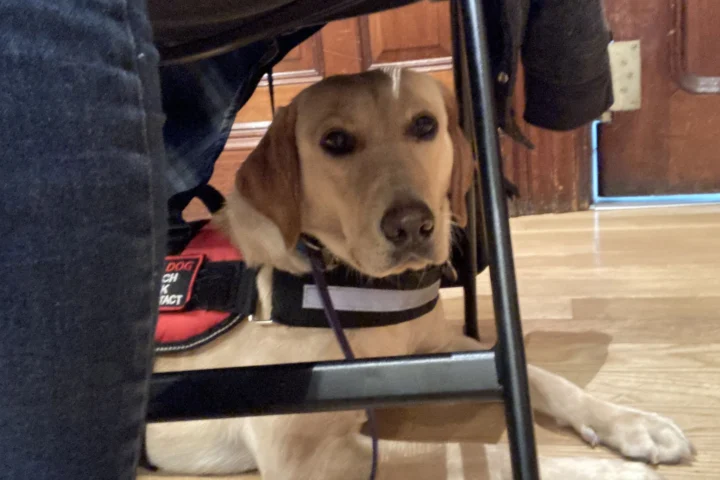
You cannot bring a pet dog on a Royal Caribbean, Carnival, Norwegian, Princess or other mainstream cruise. These lines accept only trained service dogs, and they refuse emotional support animals. The one exception among major lines is Cunard's Queen Mary 2, which carries dogs and cats in 24 onboard kennels on selected transatlantic crossings between New York and Southampton. Kennels cost about $1,300 to $1,500 per crossing as of 2026.
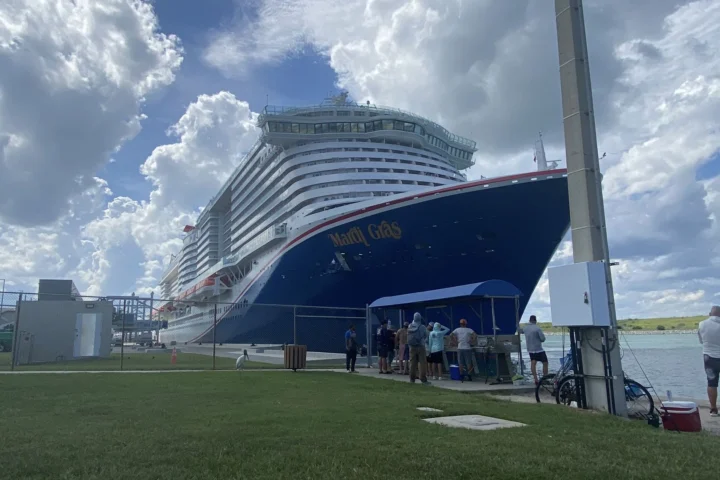

Carnival Mardi Gras docked at Port Canaveral with people walking along the terminal waterfront

Planning a Cruise

Cruise Port Parking: What It Costs at Galveston, Port Canaveral, Miami and Other US Ports

Official cruise port parking at the major US home ports costs about $20 to $35 per day as of 2026, so a seven-night cruise usually runs $150 to $280 in parking. Port Canaveral charges $20 a day plus tax, PortMiami $28 to $35, Port Everglades and New Orleans $25, and Galveston prices by lot through its online reservation system. Private off-site lots with shuttles are often cheaper.

Open pink suitcase with sunglasses and loafers packed on top

Planning a Cruise

What to Pack for a Cruise: Full Packing List and Banned Items

Pack for a cruise in two parts. Your carry-on holds everything you need for the first afternoon: travel documents, medications in original containers, a swimsuit, a change of clothes, chargers and any wine you are allowed to bring. Your checked bag holds the rest of your clothes, toiletries and extras. Leave behind irons, steamers, candles, CBD and marijuana, and on most lines surge-protected power strips.

Hand holding two US passports with boarding passes

Planning a Cruise

Do You Need a Passport for a Cruise? Closed-Loop Rules for US Citizens

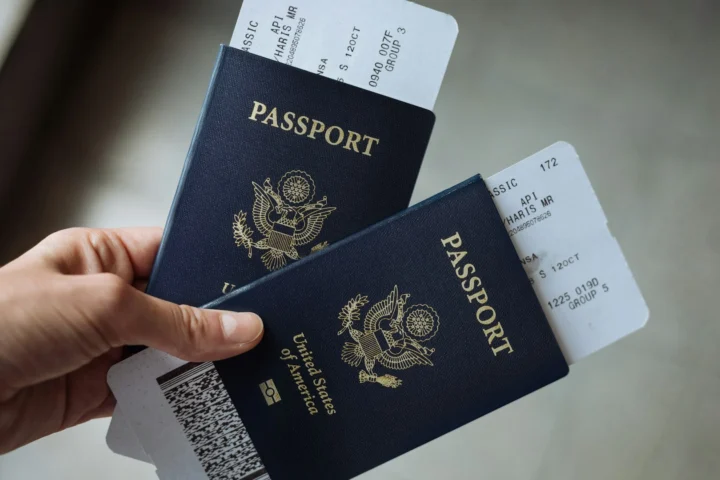
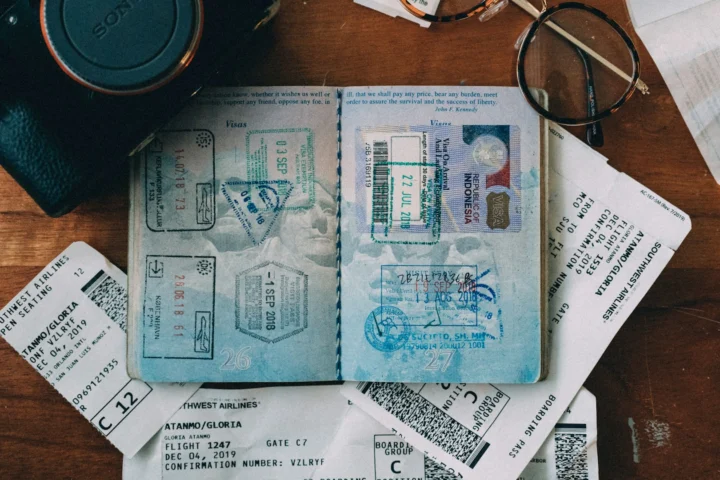
US citizens on a closed-loop cruise, one that starts and ends at the same US port and visits Canada, Mexico, the Caribbean or Bermuda, can legally re-enter with a birth certificate and government-issued photo ID instead of a passport. You do need a passport book for one-way cruises, some ports such as Panama, Colombia and Martinique, and any flight home from a foreign country.

Passports, boarding passes and a camera on a table

Planning a Cruise

Cruise Travel Insurance: What It Covers and Whether You Need It

Cruise travel insurance reimburses non-refundable costs if you cancel or cut the trip short for a covered reason, and pays for medical care and emergency evacuation while you are away. It usually costs 5 to 10 percent of the trip price. It matters on cruises because Medicare and most US health plans rarely pay for care abroad, onboard medical bills are charged to you, and evacuation can cost tens of thousands of dollars.

Two small children playing in a pool with floats

Planning a Cruise

Cruising With Kids: Ages, Kids Clubs, Cabins and Costs

Most big lines accept babies from 6 months old, or 12 months on longer ocean crossings and itineraries with several sea days in a row. Daytime kids clubs are free, typically from age 3 and often only for toilet-trained children, with separate teen clubs. Children usually pay a reduced fare as third or fourth guests, but they still pay taxes, port fees and, on most lines, daily gratuities.

Calendar with red pins marking dates

Planning a Cruise

The Best Time to Book a Cruise: Wave Season, Early Booking and Last-Minute Deals

For most people, the best time to book a cruise is 9 to 18 months before sailing, when choice of cabins is widest and early fares are competitive, ideally during wave season from January to March, when lines run their biggest promotions. Last-minute deals appear after the final payment deadline, usually 75 to 120 days before sailing, but mostly on Caribbean and short cruises, and cabin choice is limited.