Skip to content
Cruise Talk

Cruise questions, answered

Straight answers about cruising

What a cruise really costs, which cabin is worth the upgrade, and what the brochures leave out. Written for people deciding, not for people already booked.

Or work out what your cruise will really cost →
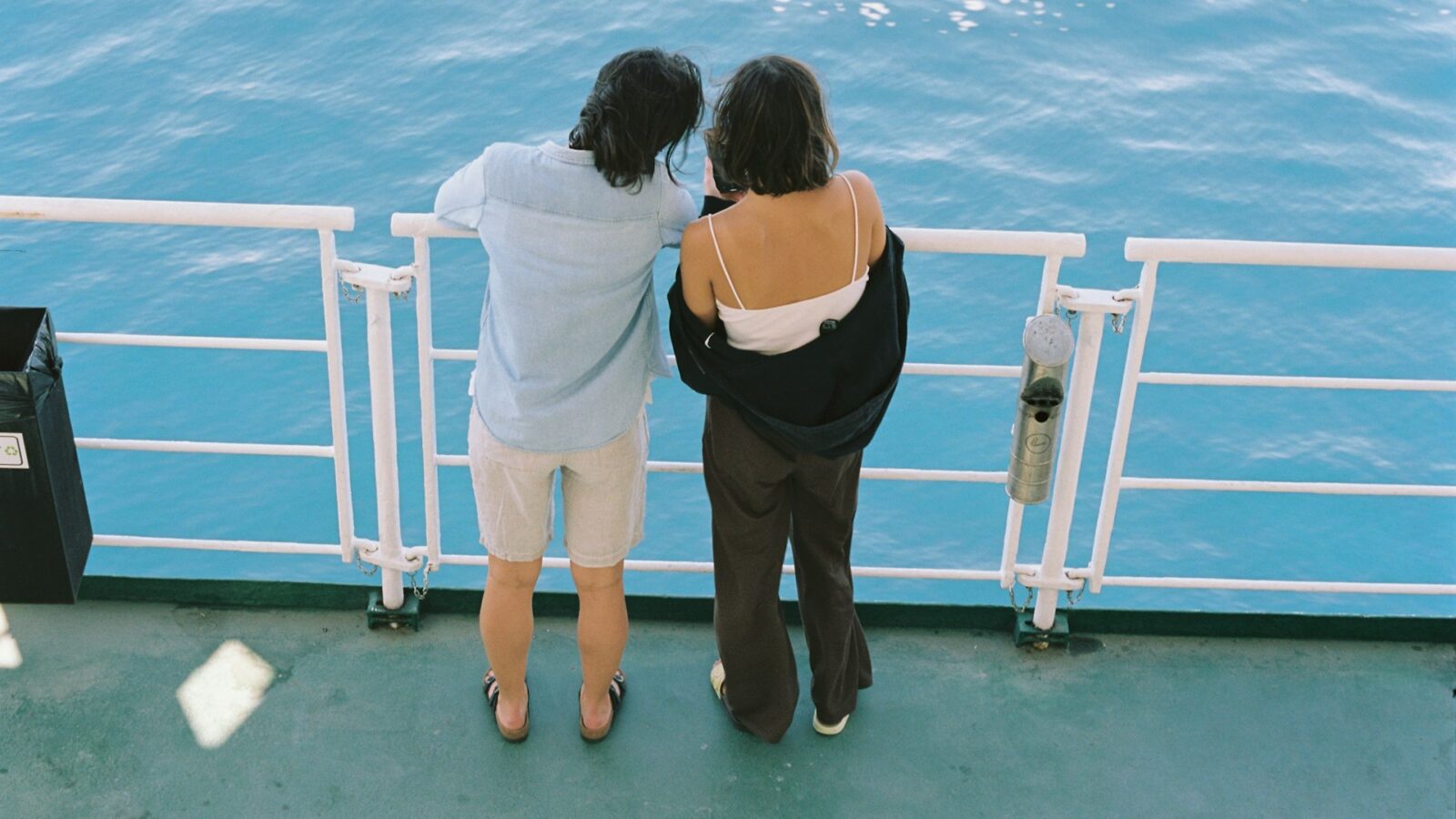
Two friends leaning on a ship railing above bright blue sea
Photo: Lawrence Chismorie / Unsplash

The short version

You ask, we answer in a paragraph

Every guide opens with the answer. The detail comes after, for when you want it.

What to Wear on a Cruise: Dress Codes, Formal Nights and Jeans

On a mainstream cruise, wear casual resort clothes by day and smart casual in the evening, such as slacks or nice jeans with a collared shirt, or a sundress. Most seven-night cruises add one or two optional dressier nights where passengers wear cocktail dresses and suits, though smart…

Read the full answer

What to Pack for a Cruise: Full Packing List and Banned Items

Pack for a cruise in two parts. Your carry-on holds everything you need for the first afternoon: travel documents, medications in original containers, a swimsuit, a change of clothes, chargers and any wine you are allowed to bring. Your checked bag holds the rest of your clothes, toiletries…

Read the full answer

What Is Included in a Cruise Fare? Included vs Extra, Line by Line

A mainstream cruise fare includes your cabin, meals in the main dining room and buffet, most casual food venues, basic drinks such as tap water, coffee, tea and lemonade, the theater shows, pools, fitness center and kids clubs, and transport between ports. Gratuities, alcohol, soda on most lines,…

Read the full answer

Solo Cruise Single Supplement: Why You Pay Double and How to Avoid It

Cruise fares are priced per person based on two people sharing a cabin, so a solo traveler booking a standard cabin pays a single supplement, often up to 200 percent of the per-person fare, which means paying for both berths. You can avoid it by booking a dedicated…

Read the full answer

Before you book

Numbers worth knowing

Pick a topic

All the answers

Couple dressed up for an evening out

Your First Cruise

What to Wear on a Cruise: Dress Codes, Formal Nights and Jeans

On a mainstream cruise, wear casual resort clothes by day and smart casual in the evening, such as slacks or nice jeans with a collared shirt, or a sundress. Most seven-night cruises add one or two optional dressier nights where passengers wear cocktail dresses and suits, though smart casual is still accepted in the main dining room. Swimwear, tank tops and bare feet are not allowed in dining rooms at dinner.

Open pink suitcase with sunglasses and loafers packed on top

Planning a Cruise

What to Pack for a Cruise: Full Packing List and Banned Items

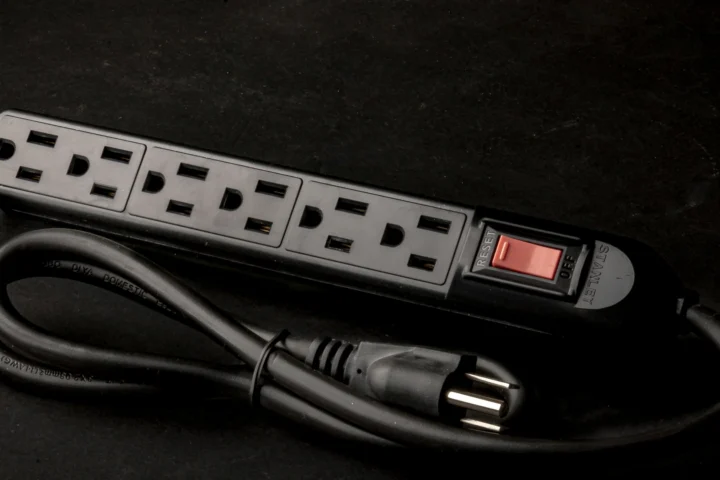
Pack for a cruise in two parts. Your carry-on holds everything you need for the first afternoon: travel documents, medications in original containers, a swimsuit, a change of clothes, chargers and any wine you are allowed to bring. Your checked bag holds the rest of your clothes, toiletries and extras. Leave behind irons, steamers, candles, CBD and marijuana, and on most lines surge-protected power strips.

Buffet counter with cheese, salads and meats

Costs & Money

What Is Included in a Cruise Fare? Included vs Extra, Line by Line

A mainstream cruise fare includes your cabin, meals in the main dining room and buffet, most casual food venues, basic drinks such as tap water, coffee, tea and lemonade, the theater shows, pools, fitness center and kids clubs, and transport between ports. Gratuities, alcohol, soda on most lines, specialty restaurants, Wi-Fi, shore excursions, spa treatments and often room service cost extra.

Traveler alone at the ship railing looking at the coast

Cabins & Ships

Solo Cruise Single Supplement: Why You Pay Double and How to Avoid It

Cruise fares are priced per person based on two people sharing a cabin, so a solo traveler booking a standard cabin pays a single supplement, often up to 200 percent of the per-person fare, which means paying for both berths. You can avoid it by booking a dedicated solo cabin, such as Norwegian's Studios, Celebrity's single staterooms or Holland America's solo ocean view cabins, or by watching for reduced-supplement promotions.

Hand holding two US passports with boarding passes

Planning a Cruise

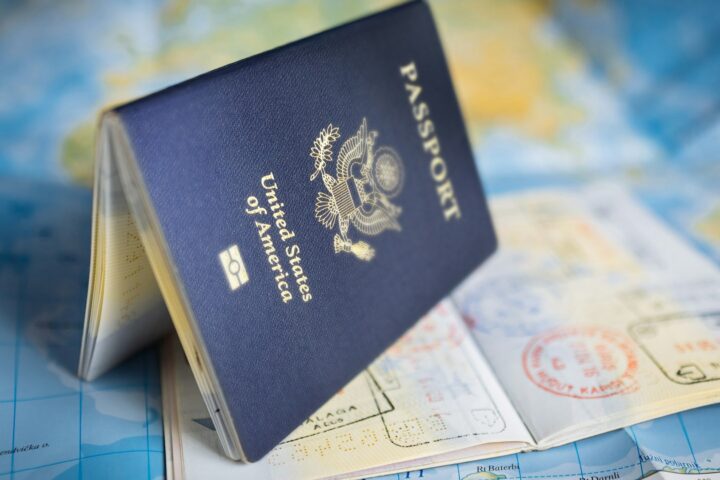
Do You Need a Passport for a Cruise? Closed-Loop Rules for US Citizens

US citizens on a closed-loop cruise, one that starts and ends at the same US port and visits Canada, Mexico, the Caribbean or Bermuda, can legally re-enter with a birth certificate and government-issued photo ID instead of a passport. You do need a passport book for one-way cruises, some ports such as Panama, Colombia and Martinique, and any flight home from a foreign country.

Two small children playing in a pool with floats

Planning a Cruise

Cruising With Kids: Ages, Kids Clubs, Cabins and Costs

Most big lines accept babies from 6 months old, or 12 months on longer ocean crossings and itineraries with several sea days in a row. Daytime kids clubs are free, typically from age 3 and often only for toilet-trained children, with separate teen clubs. Children usually pay a reduced fare as third or fourth guests, but they still pay taxes, port fees and, on most lines, daily gratuities.

Passports, boarding passes and a camera on a table

Planning a Cruise

Cruise Travel Insurance: What It Covers and Whether You Need It

Cruise travel insurance reimburses non-refundable costs if you cancel or cut the trip short for a covered reason, and pays for medical care and emergency evacuation while you are away. It usually costs 5 to 10 percent of the trip price. It matters on cruises because Medicare and most US health plans rarely pay for care abroad, onboard medical bills are charged to you, and evacuation can cost tens of thousands of dollars.

Hand holding a phone photographing a coastal village

Costs & Money

Cruise Ship Wi-Fi Cost in 2026: Prices by Line and How to Pay Less

Cruise ship Wi-Fi costs about $20 to $40 per device per day on the major mainstream lines in 2026, so roughly $140 to $280 per person for a seven-night cruise. Social media plans sit at the low end and streaming plans at the high end. Buying before you sail is usually cheaper, and most ships now use Starlink, so the connection is fast enough for video calls.

Rough sea with waves and spray

Your First Cruise

Cruise Seasickness: Will You Get Sick, and What Actually Helps

Most passengers on a big modern cruise ship feel little or no motion on a normal itinerary, but the CDC says seasickness still affects up to 25 percent of cruise travelers despite stabilizers. Your odds drop with a midship cabin on a lower deck and a sheltered route such as the Caribbean outside hurricane season or Alaska's Inside Passage. Meclizine and prescription scopolamine patches work best when taken before symptoms start.

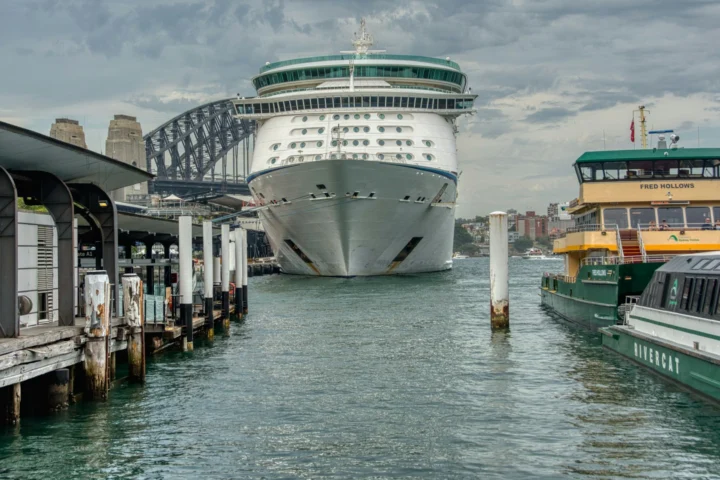
Cruise ship docked at the Sydney passenger terminal beside the Harbour Bridge

Costs & Money

Cruise Port Fees and Taxes: What They Are and What You Pay

Cruise port fees and taxes, usually shown as "taxes, fees and port expenses," are pass-through charges for head taxes, dockage, pilotage, customs and agriculture inspections and similar costs at each port. On a seven-night Caribbean cruise they typically run about $100 to $250 per person, and more in Alaska and Europe. They are mandatory, they rise with the number and type of ports, and they are separate from gratuities.

Cruise ship anchored off a green island

Costs & Money

Cruise Excursions: Book Through the Ship or Go Independent?

Book cruise excursions through the ship when timing is tight, the sights are far from port or the ship tenders, because Royal Caribbean, Carnival and Princess promise to wait for their own late-running tours or get you to the next port. Book independently or explore alone when the sights are close and you will be back well before all-aboard time. You usually save money, but the risk of missing the ship is yours.

Calendar with red pins marking dates

Planning a Cruise

The Best Time to Book a Cruise: Wave Season, Early Booking and Last-Minute Deals

For most people, the best time to book a cruise is 9 to 18 months before sailing, when choice of cabins is widest and early fares are competitive, ideally during wave season from January to March, when lines run their biggest promotions. Last-minute deals appear after the final payment deadline, usually 75 to 120 days before sailing, but mostly on Caribbean and short cruises, and cabin choice is limited.