Do You Need a Passport for a Cruise? Closed-Loop Rules for US Citizens
8 min read Updated September 29, 2026
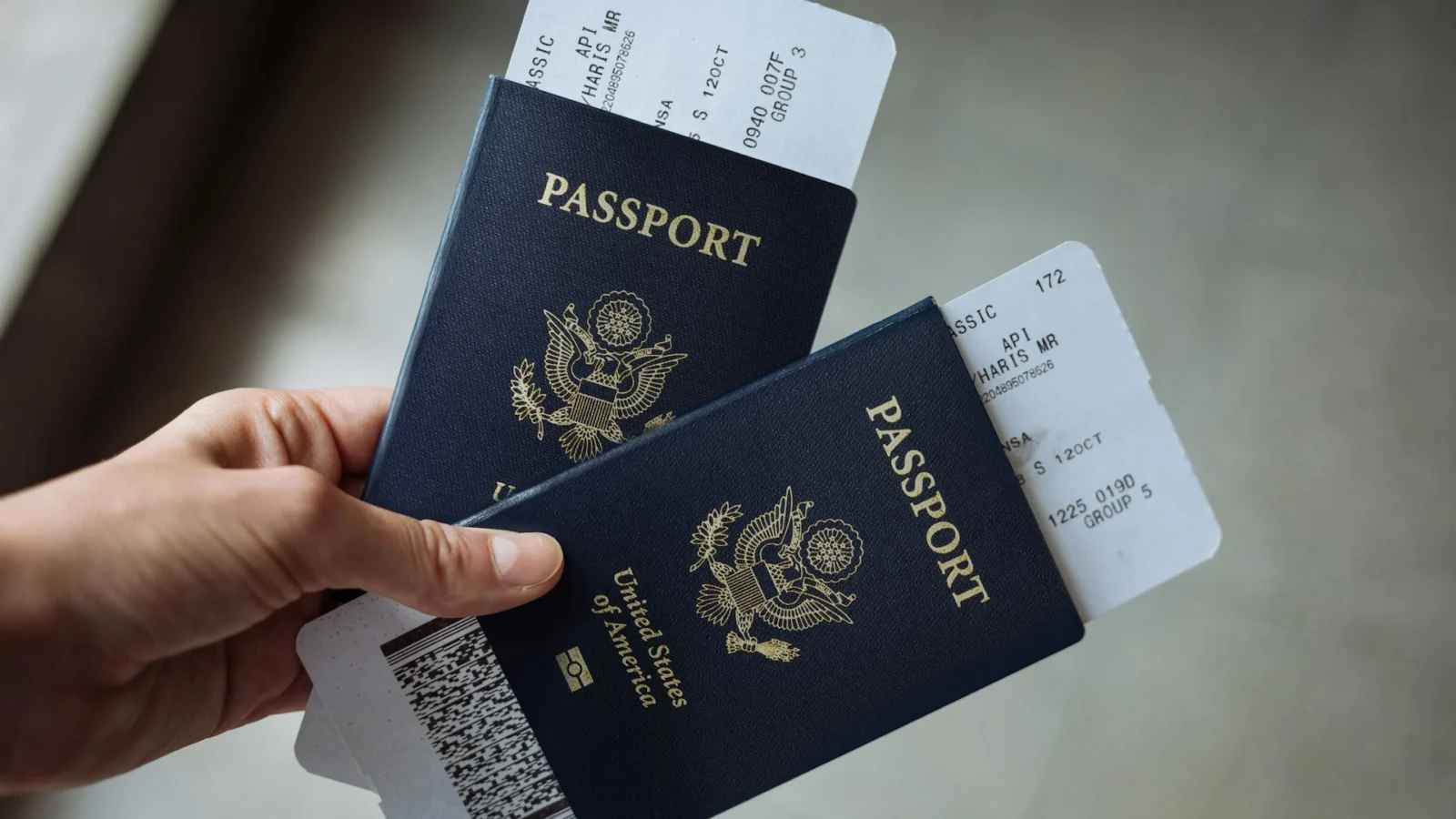
Good to know
- Closed-loop cruises accept a birth certificate plus government photo ID for US citizens.
- Children under 16 need only a birth certificate on a closed-loop cruise.
- One-way cruises between two different US ports require a passport book or card.
- Carnival accepts birth certificate photocopies; Royal Caribbean and Norwegian require originals.
- A passport card works by sea but not for flying home from abroad.
- A first adult passport book costs $165 in 2026, including the $35 acceptance fee.
- REAL ID is photo ID only, never proof of citizenship.
In this answer
- What counts as a closed-loop cruise
- Which documents are accepted
- Birth certificate rules the lines actually enforce
- When you need a passport even from a US port
- The real risk of cruising without a passport
- Passport card or passport book: what it costs in 2026
- Children, enhanced licenses and other special cases
- A checklist for the week before you sail
No, not always. A US citizen on a closed-loop cruise, meaning one that starts and ends at the same US port, can re-enter the country with a birth certificate and a government-issued photo ID instead of a passport. That covers most Caribbean, Bahamas, Mexico, Bermuda and round-trip Alaska sailings from US ports.
You do need a passport for one-way cruises, for a handful of ports that the lines single out (Panama, Colombia and Martinique come up most often), for every cruise that starts or ends abroad, and for any flight home from a foreign country. That last case is the one that catches people: if you miss the ship or need to be flown home, a birth certificate will not get you on a plane.
What counts as a closed-loop cruise
The rule comes from the Western Hemisphere Travel Initiative, which US Customs and Border Protection enforces. CBP states that US citizens on closed-loop cruises can enter the United States with a birth certificate and government-issued photo ID. The ports visited must be in Canada, Mexico, the Caribbean or Bermuda.
Three conditions have to hold at once:
- Same port both ends. Miami to Miami qualifies. Miami to New York does not, even though both are US ports.
- Western Hemisphere ports only. A round trip from Fort Lauderdale that crosses to Europe is not a closed loop in this sense.
- US citizenship. The exception is for citizens. Green card holders and foreign nationals follow their own document rules.
A closed loop is legally fine without a passport. Whether it is wise is a separate question, covered further down.
Which documents are accepted
The cruise lines apply the CBP rules at check-in, sometimes more strictly. Here is how the common documents compare.
| Document | Closed-loop cruise | One-way or foreign-port cruise | Flying home from abroad |
|---|---|---|---|
| Passport book | Yes | Yes | Yes |
| Passport card | Yes | Yes, to Canada, Mexico, Caribbean and Bermuda | No |
| Birth certificate plus photo ID | Yes | No | No |
| Enhanced driver’s license | Yes | Land and sea entry only | No |
| REAL ID driver’s license alone | No, photo ID only | No | No |
Carnival’s travel document page also accepts a naturalization certificate and certain Native American tribal cards. It does not accept mobile or digital IDs, and it requires photo ID from age 16.
Birth certificate rules the lines actually enforce
This is where most boarding problems happen, and the lines do not all agree.
- It must be a government-issued certificate. That means one issued by a state, county or city vital records office. A hospital certificate, the souvenir version with the baby’s footprints, a “Certificate of Live Birth” from the hospital or a baptismal record will be refused.
- Original or copy depends on the line. Carnival says a copy is fine and does not need to be notarized or certified, and it accepts laminated certificates. Royal Caribbean requires a state-certified original and says no photocopies. Norwegian also refuses photocopies and photos of documents. If you are not sure, bring the certified original.
- Puerto Rico births. Puerto Rico birth certificates issued before July 1, 2010 are not accepted by Carnival or Norwegian, because the island reissued all certificates that year. Order a new one before you sail.
- Name changes. If the name on your photo ID differs from your birth certificate, bring the marriage certificate or court order that links them. Carnival accepts the original or a legible copy.
REAL ID causes confusion. A REAL ID driver’s license is fine as your photo ID, but it is not proof of citizenship and does not replace the birth certificate. Carnival spells this out on its travel documents page.
When you need a passport even from a US port
The closed-loop rule is a minimum. Cruise lines and destination countries can ask for more, and several do.
- One-way sailings between two US ports. Carnival and Norwegian require a passport book or passport card. This covers Panama Canal cruises from Florida to California, many Hawaii repositioning sailings and seasonal one-way Alaska itineraries. If you are looking at one-way repositioning cruises, assume a passport book.
- Panama, Colombia and Martinique. Royal Caribbean requires a passport book for any sailing visiting these countries. Carnival says a passport is mandatory for Colombia, and that without one you may have to stay aboard in Panama and Martinique. Norwegian requires a passport for all Panama Canal sailings and any Colombia or Panama port.
- Cruises starting or ending abroad. Europe, Asia, Australia, South America and Canada embarkations all need a passport book, plus any visa the country requires.
- Specific itineraries named by the line. Royal Caribbean lists Alaska sailings from Seward and one-way Hawaii sailings ending in Australia or Canada. Carnival lists Greenland.
The only reliable check is the travel document section of your own booking. Lines update port rules when countries change theirs, and your confirmation will say if a passport is required.
The real risk of cruising without a passport
The legal minimum assumes everything goes to plan. Three things can break that, and each one turns a birth certificate into a problem.
You miss the ship in a foreign port. The ship leaves at all-aboard time whether or not you are on it. To rejoin it at the next port or fly home, you have to board a plane, and airlines need a passport book for international flights. Without one you are going to the nearest US embassy or consulate for an emergency travel document before you can go anywhere. This is the main reason to book tours through the ship in ports where timing is tight, and our guide to ship excursions versus going independent covers when that matters.
You get sick or injured. A passenger taken off the ship for hospital treatment in Cozumel or St. Thomas eventually needs to fly home. With a passport, that flight is a booking. Without one, it is paperwork first. Medical evacuation is expensive enough already, which is why it is one of the main reasons to buy cruise travel insurance.
A family emergency at home. If you need to leave the cruise early from a foreign port, the same flight problem applies.
None of these is likely on a single cruise. All of them are covered by a document that costs $165 and lasts ten years for an adult. The first-cruise advice that matters most is still to fly in the day before, and our first cruise tips explain why.
Passport card or passport book: what it costs in 2026
The passport card is a wallet-sized document that works for land and sea travel to Canada, Mexico, Bermuda and the Caribbean. The State Department fee chart states plainly that it is not valid for international air travel. That makes it a legal cruise document, and a weak backup if you have to fly.
| Fee (State Department, 2026) | Passport book | Passport card | Both |
|---|---|---|---|
| First-time adult (plus $35 acceptance fee) | $130 | $30 | $160 |
| Adult renewal | $130 | $30 | $160 |
| Under 16 (plus $35 acceptance fee) | $100 | $15 | $115 |
| Optional expedited service | $60 extra | $60 extra | $60 extra |
For most people cruising more than once, the book is the better buy. The card makes sense as an extra for a family that already holds books, or for someone who only ever takes closed-loop Caribbean cruises and drives to the port.
Processing times change with demand. The State Department has recently quoted about 4 to 6 weeks for routine applications and 2 to 3 weeks for expedited ones, not counting mailing. Apply at least three months before you sail. If you are within 14 days of travel, you need an appointment at a passport agency. Put the fee in your trip budget along with the other costs people forget, such as automatic daily gratuities. The full list is in what a cruise really costs.
Children, enhanced licenses and other special cases
Children. CBP says US citizen children under 16 need only a birth certificate or other proof of citizenship. Royal Caribbean applies this to guests 15 and under. If only one parent is traveling, or a grandparent is taking the child, carry a signed, notarized consent letter from the absent parent. Royal Caribbean requires a notarized form for minors sailing without a parent or guardian, and foreign border officials can ask about the relationship. More on this in our guide to cruising with kids.
Enhanced driver’s licenses. Five states issue them: Michigan, Minnesota, New York, Vermont and Washington, according to the Department of Homeland Security. An EDL proves identity and citizenship for land and sea entry, so it works on a closed-loop cruise on its own. It does not work for flights abroad.
Alaska. Round trips from Seattle almost always stop in Victoria, British Columbia. That stop is there because of a federal law, the Passenger Vessel Services Act, which stops foreign-flagged ships carrying passengers between two US ports without a foreign call. It counts as foreign travel, but the closed-loop rule applies, so a birth certificate and ID are enough. One-way Gulf of Alaska cruises that begin or end in Vancouver need a passport. On a scenic route like this, a balcony can be worth more than usual, as explained in which cruise cabin to book.
Puerto Rico and the US Virgin Islands. These are US territories. Flying to San Juan to board a ship does not require a passport, and Carnival confirms this. A cruise from San Juan that visits other Caribbean islands and returns to San Juan is treated like any other closed loop.
Non-citizens. Permanent residents need their green card and usually a passport from their home country, plus any visas required by the ports. The closed-loop exception does not apply to them.
A checklist for the week before you sail
- Open your booking and read the travel document section for your exact sailing.
- Check that every name on the booking matches the ID each person will present.
- If using birth certificates, confirm they are government-issued, and originals if your line requires it.
- Pack marriage certificates or court orders for anyone whose name has changed.
- Check passport expiry dates against the end of the cruise, not the start. Many countries and lines want six months of validity left.
- Keep documents in your carry-on, never in checked luggage, because bags are delivered to cabins hours after boarding.
If you are booking a cruise for next year and do not have a passport, apply now while routine processing is enough. It is the cheapest insurance in cruising.
People also ask
Can I go on a cruise with just my birth certificate and ID?
Yes, if you are a US citizen on a closed-loop cruise that begins and ends at the same US port and stays within the Western Hemisphere. Bring an original or certified birth certificate issued by a state or county vital records office, plus a government photo ID such as a driver's license. Hospital certificates and souvenir birth records are refused at check-in. Some lines also require a passport for specific ports, so read your booking documents.
Do you need a passport for a cruise to the Bahamas?
Not if the cruise is a closed loop from a US port such as Miami, Port Canaveral or New York. A birth certificate and government photo ID are accepted by US law and by the major lines for Bahamas sailings. A passport is still the safer choice, because if you miss the ship in Nassau or need to be flown home for medical reasons, you will need a passport book to board a flight.
Do you need a passport for an Alaska cruise?
Round-trip Alaska cruises from Seattle usually stop in Victoria, British Columbia, which counts as foreign travel, but the closed-loop rule applies, so a birth certificate and photo ID are enough. One-way Alaska cruises between Vancouver and Seward or Whittier start or end in Canada and need a passport. Royal Caribbean lists its Seward sailings among those requiring a passport book.
How long does it take to get a passport for a cruise?
The State Department has recently quoted around 4 to 6 weeks for routine processing and 2 to 3 weeks for expedited service, which costs an extra $60, plus mailing time in both directions. These estimates change during busy seasons, so check the current figure on travel.state.gov. If you sail within 14 days, you need an appointment at a passport agency, which is harder to get.
Can I cruise with an expired passport?
Line policies differ, and an expired passport is never accepted where the sailing itself requires a passport. On a closed-loop cruise you can fall back on a certified birth certificate and photo ID instead. For anything else, the passport must be valid, and many lines and countries want six months of validity left after the cruise ends. Renewal costs $130 for a book, so renew early rather than hoping for an exception at the terminal.
Keep reading
More straight answers
Planning a Cruise
Cruise Travel Insurance: What It Covers and Whether You Need It
Cruise travel insurance reimburses non-refundable costs if you cancel or cut the trip short for a covered reason, and pays for medical care and emergency evacuation while you are away. It usually costs 5 to 10 percent of the trip price. It matters on cruises because Medicare and most US health plans rarely pay for care abroad, onboard medical bills are charged to you, and evacuation can cost tens of thousands of dollars.

Planning a Cruise
What to Pack for a Cruise: Full Packing List and Banned Items
Pack for a cruise in two parts. Your carry-on holds everything you need for the first afternoon: travel documents, medications in original containers, a swimsuit, a change of clothes, chargers and any wine you are allowed to bring. Your checked bag holds the rest of your clothes, toiletries and extras. Leave behind irons, steamers, candles, CBD and marijuana, and on most lines surge-protected power strips.

Planning a Cruise
Cruising With Kids: Ages, Kids Clubs, Cabins and Costs
Most big lines accept babies from 6 months old, or 12 months on longer ocean crossings and itineraries with several sea days in a row. Daytime kids clubs are free, typically from age 3 and often only for toilet-trained children, with separate teen clubs. Children usually pay a reduced fare as third or fourth guests, but they still pay taxes, port fees and, on most lines, daily gratuities.