The Best Time to Book a Cruise: Wave Season, Early Booking and Last-Minute Deals
7 min read Updated September 29, 2026

Good to know
- Wave season, January to March, is when lines run their biggest booking promotions.
- Final payment is due 75 to 120 days before sailing, depending on line and length.
- Last-minute deals appear mainly after final payment, on Caribbean and short cruises.
- Royal Caribbean price-matches its own lower fares until final payment.
- Alaska, Europe, holidays, suites and family cabins reward booking early.
- Carnival Corporation said in 2026 its booking curve was the furthest out on record.
In this answer
For most people, the best time to book a cruise is 9 to 18 months before sailing, ideally during wave season from January to March. Booking early gets you the widest choice of cabins and competitive early fares, and wave season adds the year’s strongest promotions on top. Last-minute deals do exist, but they appear mainly after the final payment deadline, mostly on Caribbean and short cruises, and with little choice of cabin.
The right answer depends on what you are booking. A family that needs connecting cabins over spring break should book as soon as the sailing opens. A flexible couple happy with any inside cabin on a four-night Bahamas cruise can wait for a sale.
Wave season: why January to March matters
“Wave season” is the industry’s name for the booking rush in the first three months of the year, when lines launch their biggest sales. It is real, and the lines treat it as their most important selling period. In January 2026, Royal Caribbean Group reported that its 2026 wave season was off to a record start, with the strongest seven booking weeks in company history.
Wave season offers tend to add value rather than simply cut the fare. Typical examples include:
- Reduced deposits
- Onboard credit
- Discounts for the second guest, or reduced fares for third and fourth guests
- Bundled drinks, Wi-Fi, specialty dining or prepaid gratuities
- Cabin upgrades
Bundled gratuities are often the most valuable of these, since they are a real cost you would otherwise pay daily. Our guide to cruise gratuities explains why.
Booking windows by itinerary
How far ahead to book depends mostly on how much demand there is for the sailing and how few of the cabins you want exist.
| Cruise type | Book this far ahead | Why |
|---|---|---|
| Alaska | 12 to 18 months | Short season, limited ships, balcony cabins sell early |
| Europe in summer | 12 to 18 months | Peak demand June to August; flights also rise |
| Christmas, New Year, spring break | 12 months or more | School holidays fix the dates for families |
| Suites, family cabins, connecting cabins | As early as possible | Few of them per ship |
| Solo studio cabins | As early as possible | Very few per ship |
| Caribbean, Bahamas, Mexico | 6 to 12 months, or last minute if flexible | Many ships and sailings; frequent sales |
| Repositioning and one-way sailings | 6 to 12 months, or late for deals | Lower demand, often discounted |
Families and solo travelers have the least flexibility, because the cabins they need are the scarcest on the ship. See cruising with kids and solo cruising and the single supplement for what those cabins are and how few there are.
Bookings in general are coming in earlier. In its June 2026 results, Carnival Corporation said its booking curve remained the furthest out on record and that it was 93 percent booked for 2026. When ships fill early, there are fewer unsold cabins to discount at the last minute.
Deposits and final payment: the dates that control your price
Every cruise booking runs on two dates: the deposit when you book, and final payment before you sail. Final payment is the most important date in the process, because it is when your fare stops being flexible and when unwanted cabins are released back for sale.
| Line | Final payment due |
|---|---|
| Royal Caribbean | 75 days before sailing for 1 to 4 nights, 90 days for 5 to 14 nights, 120 days for 15 nights or more |
| Carnival | Penalty-free cancellation ends 76 days out for 2 to 5 day cruises and 91 days out for 6 days or more |
| Norwegian | 120 days before sailing |
| Princess | 90 days before sailing for 1 to 13 day cruises |
Sources: Royal Caribbean’s final payment policy, Carnival’s deposit and cancellation policy, and Norwegian’s and Princess’s published payment schedules. Norwegian’s deposits are $100 per person for sailings of up to six days and $250 for seven days or more.
Watch the deposit type. Many fares now come with a non-refundable deposit, which Royal Caribbean holds in full as a penalty if you cancel, and Princess’s standard deposit is lost on cancellation unless you paid for a refundable one. After final payment, penalties climb quickly. On a five to 14 night Royal Caribbean cruise, cancelling 89 to 75 days out costs 25 percent of the fare, and 30 days or less costs 100 percent. That is when cruise travel insurance earns its cost.
Price drops and repricing
Cruise fares move constantly. If the price falls after you book, you can often get some of the difference back, but only before final payment.
- Royal Caribbean. Its Best Price Guarantee lets you request a price match any time before final payment, or within 24 hours of booking, for the same ship, date and cabin class found on Royal Caribbean’s own site or call center. You get a fare adjustment or possibly an upgrade.
- Carnival. Price protection applies to Early Saver fares, paying the difference as non-refundable onboard credit or an upgrade. Carnival’s terms have stated the offer applies to sailings through April 2026, so check whether it is current for your booking.
- Norwegian. Its Best Price Guarantee has required claims within 48 hours of booking, with the difference paid as onboard credit.
The practical routine is simple: check your fare every week or two until final payment, and if the same cabin category is cheaper, call the line or your travel agent. Changing to a lower fare can mean losing promotions attached to the original booking, so compare the whole package rather than the headline fare.
Last-minute cruise deals: when they happen and the catch
Last-minute deals come from cabins that did not sell, or that were released when other passengers canceled before final payment. They show up most often:
- In the weeks after the final payment deadline, 75 to 120 days out
- On short Caribbean, Bahamas and Mexico cruises from Florida, Texas and California ports
- In the fall, especially September and October, and the first half of December
- On older ships and on sailings with many similar alternatives
They can be very good. On September 29, 2026, Carnival’s site listed the same seven-night Western Caribbean itinerary on Carnival Celebration from Miami at $436 per person for a November 2026 sailing, including taxes and fees, against $575 for the equivalent late-November sailing in 2027.
The catch is everything around the fare. You choose from whatever cabins are left, which often means inside cabins or guarantees in less popular locations; our guide to the best cabin location explains what to avoid. Flights booked late can wipe out the saving. And you usually pay in full at booking, with no penalty-free cancellation window. Last-minute bookers who drive to the port get the best of it.
Watch the timing of the season, too. Fall Caribbean deals overlap with the peak of the Atlantic hurricane season, which runs to November 30. That is a reason for cheap fares and a reason to read up on cruise seasickness if you are sensitive to motion.
The cheapest times to sail, as opposed to book
When you book matters less than when you sail. The same ship on the same route can cost half as much in a quiet week as in a school holiday. Demand follows a predictable pattern:
- Caribbean. Fares are typically lowest from September to early December (outside Thanksgiving week) and in the weeks after New Year. They peak over Christmas, Presidents’ Day week and spring break. The quiet fall weeks are cheap partly because they sit in hurricane season.
- Alaska. The season runs from about May to September. May and September sailings usually cost less than June to August, with cooler weather and, in May, often drier days.
- Europe. April, May and October are usually cheaper than peak summer, and the ports are far less crowded.
- Repositioning cruises. Ships moving between seasons in spring and fall sell one-way crossings at low nightly rates. Our sister site explains how repositioning cruises work and when they sail.
If your dates are fixed by school or work, focus on booking early. If your dates are flexible, choosing the right week will save more than any booking trick.
A simple booking strategy
- Decide how flexible you are. Fixed dates, specific cabins or school holidays mean book early. Flexible dates and any cabin mean you can wait.
- Book early during wave season if you can, and pick a fare with a refundable deposit if your plans might change.
- Buy insurance right after the deposit if you want pre-existing condition waivers or cancel for any reason cover.
- Check the fare every week or two until final payment, and ask for an adjustment if it drops.
- Prepay gratuities and buy packages during sales, since those prices can drop too.
- Compare all-in totals. A cheaper fare with no perks can cost more than a higher one with bundled extras. See how much a cruise really costs and cruise port fees and taxes to get the total right.
If you are booking for the first time, lock in the cabin you want first and chase the price second. A good cabin at a slightly higher fare usually makes a better week than a bargain over the nightclub. The first cruise tips guide explains why, and which cabin to book helps you choose it.
People also ask
What is the cheapest month to book a cruise?
January through March, known as wave season, is when most lines run their strongest promotions, such as reduced deposits, onboard credit, free upgrades or bundled drinks and gratuities. That does not always mean the lowest base fare, but the total value is often best then. For the cheapest sailings, look at shoulder season departures such as early December, late April and September on Caribbean routes.
Do cruise prices go down closer to departure?
Sometimes, but it is not reliable. Lines lower fares on sailings that are not selling, usually after the final payment deadline when cancellations free up cabins, and mostly on short Caribbean and Mexico cruises. Popular sailings, holiday weeks, Alaska and Europe tend to rise instead. In 2026, Carnival Corporation reported its booking curve was the furthest out on record, which leaves fewer unsold cabins to discount.
Can I get a lower price if my cruise fare drops after booking?
Often, if you act before final payment. Royal Caribbean's Best Price Guarantee lets you request an adjustment to a lower published fare for the same cruise and cabin class until final payment, as a refund or possibly an upgrade. Carnival has offered price protection on Early Saver fares as onboard credit. After final payment, most lines will not reprice, so check fares regularly until then.
How far in advance should you book a cruise?
For Alaska, Europe, holiday sailings, suites and connecting family cabins, book 12 to 18 months ahead, because the best cabins sell first. For a standard Caribbean cruise, 6 to 12 months ahead is usually enough, and flexible travelers can wait for deals after final payment. If you need a passport, apply as soon as you book.
Is it better to book a cruise directly or through a travel agent?
Fares are generally the same, because lines set the price, but agents can sometimes add perks such as onboard credit, and they handle problems on your behalf. CLIA's 2026 industry research found around 60 to 66 percent of cruisers used a travel advisor. Booking direct gives you full control of changes online. Either way, the same deposit, payment and cancellation rules apply.
Keep reading
More straight answers

Planning a Cruise
What to Pack for a Cruise: Full Packing List and Banned Items
Pack for a cruise in two parts. Your carry-on holds everything you need for the first afternoon: travel documents, medications in original containers, a swimsuit, a change of clothes, chargers and any wine you are allowed to bring. Your checked bag holds the rest of your clothes, toiletries and extras. Leave behind irons, steamers, candles, CBD and marijuana, and on most lines surge-protected power strips.
Planning a Cruise
Do You Need a Passport for a Cruise? Closed-Loop Rules for US Citizens
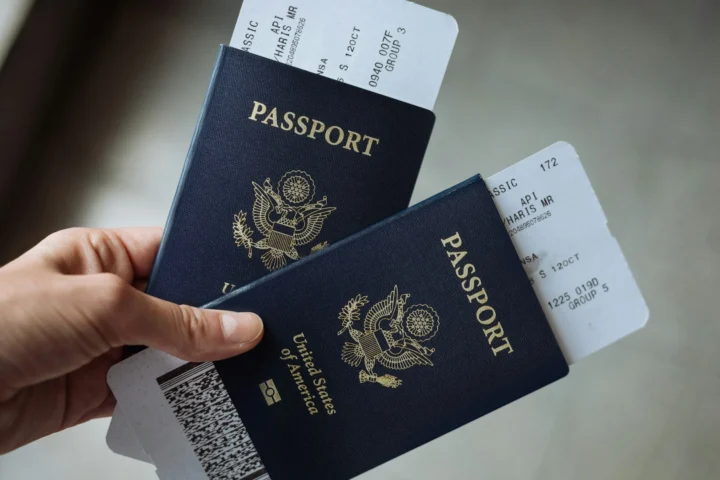
US citizens on a closed-loop cruise, one that starts and ends at the same US port and visits Canada, Mexico, the Caribbean or Bermuda, can legally re-enter with a birth certificate and government-issued photo ID instead of a passport. You do need a passport book for one-way cruises, some ports such as Panama, Colombia and Martinique, and any flight home from a foreign country.

Planning a Cruise
Cruising With Kids: Ages, Kids Clubs, Cabins and Costs
Most big lines accept babies from 6 months old, or 12 months on longer ocean crossings and itineraries with several sea days in a row. Daytime kids clubs are free, typically from age 3 and often only for toilet-trained children, with separate teen clubs. Children usually pay a reduced fare as third or fourth guests, but they still pay taxes, port fees and, on most lines, daily gratuities.