The Best Cabin Location on a Cruise Ship: Deck, Midship and What to Avoid
By the Cruise Talk editors 7 min read Updated October 6, 2026
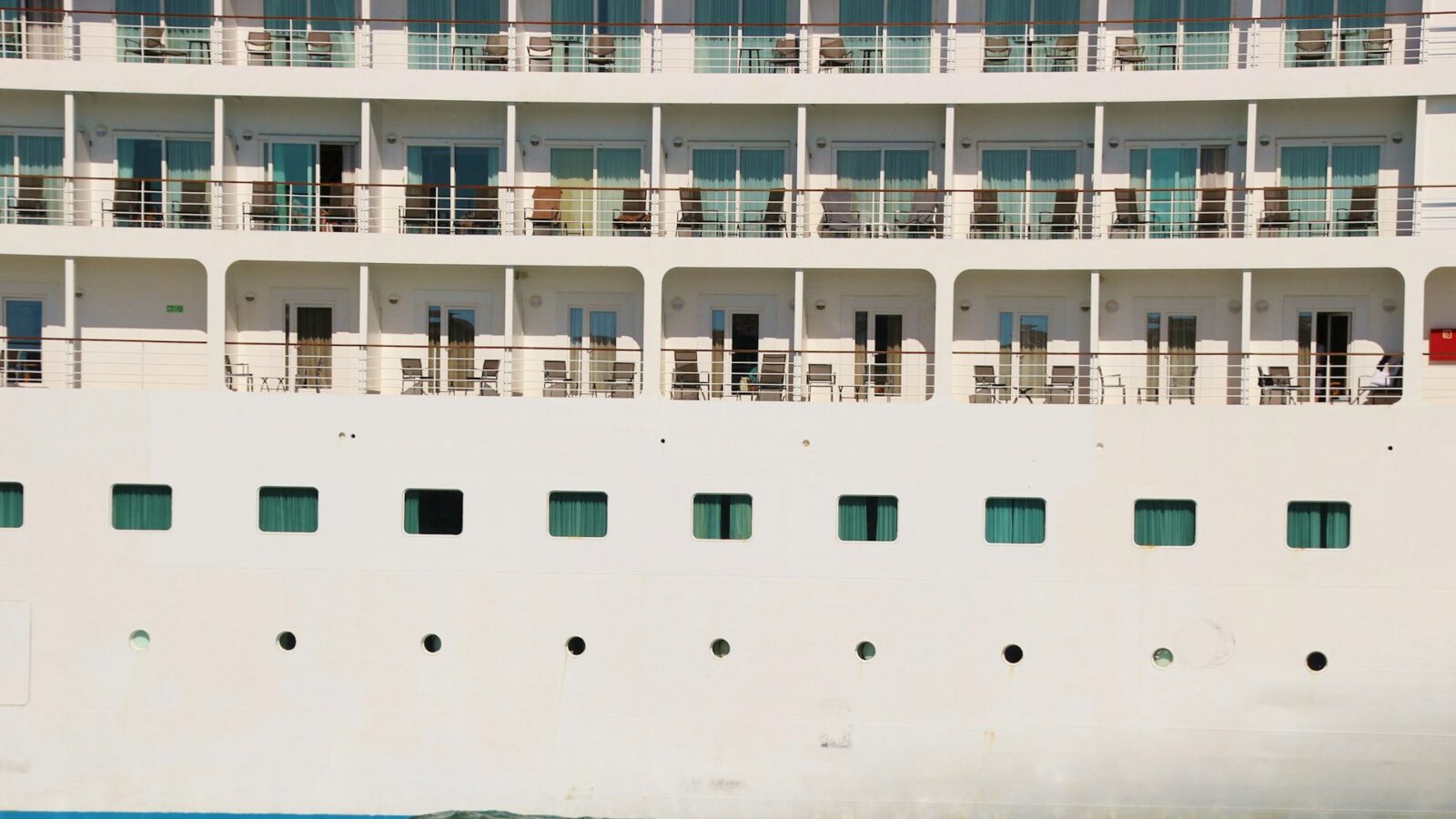
Updated: Expanded in October 2026 with rates re-checked on the cruise lines' own websites.
Good to know
- Midship on a low or middle deck has the least motion of any cabin position.
- The bow moves most in a head sea; the CDC advises avoiding it if you get seasick.
- Aft cabins have the best wake views and big balconies, with more vibration.
- Never sleep directly under the pool deck, buffet or jogging track.
- Never sleep directly above the theater, nightclub or galley.
- Best of all is a cabin with other cabins directly above and below it.
In this answer
- Why midship on a lower deck moves least
- Forward, midship or aft
- Which deck: low, middle or high
- Port or starboard: does the side matter?
- What to avoid above and below your cabin
- Other spots to check on the deck plan
- The best location for your priority
- The five-minute deck plan check
- Choose your own cabin, and book early to do it
The best cabin location on a cruise ship is midship on a low or middle deck. That is where the ship moves least in a swell. Then open the deck plan and check what sits directly above and below your cabin, because the pool deck, buffet, theater and nightclub make worse neighbors than any cabin grade can make up for.
This page is about where on the ship to sleep. Which type of cabin to book, inside, ocean view, balcony or suite, is a separate decision covered in which cruise cabin to book. Choose the type first, then use this guide to pick the best spot within it.
Why midship on a lower deck moves least
A ship at sea moves in two main ways. It pitches, with the bow and stern rising and falling around the middle, and it rolls from side to side. Pitching is felt most at the ends of the ship, and rolling is felt most high up, where the swing is widest. A cabin in the middle and low down sits close to the point the ship moves around.
That matters because seasickness is still common. The CDC says it affects up to 25 percent of cruise travelers despite modern stabilizers, and its motion sickness guidance advises avoiding locations of maximum motion, such as the bow of a ship. If anyone in your cabin is prone to it, midship and low is not a preference, it is the answer. Our guide to cruise seasickness covers remedies and calmer itineraries.
On a calm Caribbean week, many passengers feel little difference anywhere on a big ship. On an ocean crossing, the North Atlantic in spring, Alaska’s open-water stretches or a Bay of Biscay passage, location matters much more. Our sister site’s guide to whether transatlantic cruises are rough shows how much conditions vary by month and route.
Forward, midship or aft
| Position | Motion | Noise and vibration | Good for | Watch out for |
|---|---|---|---|---|
| Forward (bow) | Most pitching in a head sea | Anchor noise on tender days; thrusters when docking | Forward-facing views, sometimes lower prices | Rough crossings, light sleepers |
| Midship | Least | Depends on what is above and below | Seasickness, short walks to most venues | Elevator lobbies and stairwells next door |
| Aft (stern) | More than midship, less than forward in most seas | Engine and propeller vibration, thrusters when docking | Wake views, larger corner balconies | Vibration, long walk forward |
Midship is the safe choice: least motion and the shortest walk to most venues. It is also where the most sought-after cabins sit, so it sells out first.
Aft has the best balconies on many ships, looking over the wake rather than flat sea, and the corner cabins at the stern often have bigger balconies than their grade suggests. Carnival sells these as Aft-View Extended Balconies on ships such as Carnival Vista. The trade is vibration from the engines and propellers, which is more noticeable on older ships and when the ship is maneuvering.
Forward is where the motion is. On a calm itinerary it is fine and sometimes cheaper. On a crossing or anywhere with real weather, it is the wrong gamble for anyone who feels motion. Passengers in forward cabins also commonly report hearing the anchor chain when the ship anchors at a tender port.
Which deck: low, middle or high
Low decks move least and are usually quietest, with cabins above and below on most of them. They are a longer elevator ride from the pools and buffet, and some have only porthole windows. Carnival’s Cove Balconies sit close to the waterline on several ships, which gives a very different view from a high-deck balcony.
Middle decks are the best compromise on most big ships: cabin decks with cabins above and below, plenty of balcony cabins, and less motion than the top.
High decks put you close to the pool and buffet, but they sway more in a swell and are more likely to sit directly under busy public areas. Balconies up high also catch more wind.
Location matters more on smaller and older ships. A mid-size ship from the 1990s generally moves more in the same sea than today’s biggest ships of more than 200,000 gross tons, so the midship rule earns its keep there even on routes that are usually calm.
Port or starboard: does the side matter?
For motion and noise, no. Both sides of the ship behave the same way, and the deck plan matters far more than the side. For views it can, but less than people expect.
On a round-trip cruise, the ship usually passes the same coastline in both directions, so each side gets the land view for half the trip. In Alaska, ships commonly turn in front of the glaciers so both sides get a view, and the best views at the ice are often from the open decks forward anyway. In the Panama Canal, both sides see the locks. On a one-way coastal cruise, such as a northbound or southbound Alaska sailing, the side facing the coast sees more land, which is why some passengers pick a side deliberately.
The side also decides whether a balcony gets morning or afternoon sun, which depends on the route and direction of travel. On a Caribbean cruise that is a comfort question, not a deal-breaker.
What to avoid above and below your cabin
Look at the decks directly above and below on the deck plan. That is where most noise complaints start.
Avoid sleeping directly below:
- The pool deck, where loungers are set out and dragged around from early morning.
- The buffet, for chairs, trolleys and early setup.
- The jogging track, sports court or any open deck used for parties.
- Bars and lounges that stay open late.
Avoid sleeping directly above:
- The theater, with late shows and daytime rehearsals.
- The nightclub, the worst neighbor on most ships.
- The galley or crew work areas, which run through the night.
- The lowest aft decks over the propellers, for vibration rather than noise.
The best cabin of all has other cabins directly above and below it. Cabin decks sandwiched between cabin decks are the quietest places on any ship.
Other spots to check on the deck plan
- Elevators and stairwells. Close is convenient, next door is noisy. Two or three cabins away is ideal.
- Crew service doors, pantries and laundry rooms. Shown as unlabeled or shaded spaces on many plans; carts and doors run at all hours.
- Connecting cabins. The connecting door carries sound. Useful for families, a liability next to one. Deck plans mark them, often with a symbol between the two cabins.
- Walkway-view and promenade cabins. Some ocean view and inside cabins look onto a public walkway. Carnival lists Walkway View categories on Carnival Vista, and Royal Caribbean’s Oasis- and Icon-class ships have balconies facing Central Park or the Boardwalk. You trade privacy and quiet for price and atmosphere.
- Obstructed views. Lifeboats usually sit on one or two decks along the sides. Cabins behind them are sold as obstructed, often at a discount, and Royal Caribbean warns that guarantee bookings may be assigned one.
- The very end of a long corridor. A long walk with bags, sometimes oddly shaped rooms.
The best location for your priority
| If you care most about | Book here |
|---|---|
| Avoiding seasickness | Midship, low or middle deck |
| Quiet sleep | A cabin deck with cabins above and below, away from elevators |
| Views and a big balcony | Aft-facing balcony, ideally a corner |
| Families with young children | Midship near an elevator, on a deck close to the kids club |
| Limited mobility | An accessible cabin near a midship elevator bank |
| Lowest price | Obstructed or forward cabins on a calm itinerary |
Families should also check whether connecting or adjoining cabins are available in their grade, which our guide to cruising with kids covers.
The five-minute deck plan check
- Open the deck plan for your exact ship on the line’s website. Sister ships differ.
- Find the cabin number and note the decks directly above and below.
- Check what public spaces sit over and under it, using the deck plans for those decks.
- Count the cabins to the nearest elevator and stairwell: close, but not adjacent.
- Check how far forward or aft you are, and whether lifeboats sit outside the window.
Choose your own cabin, and book early to do it
A guarantee booking is cheaper because the line picks the cabin, and it can put you anywhere in the category. If location matters to you, pay the small difference to choose. The best midship cabins go first, so booking well ahead gives you the widest choice; our guide to the best time to book a cruise covers the timing. When you board, the first cruise tips explain what to do if the cabin you get has a problem.
If you already have a booking, it is worth checking the deck plan now. Ask the line or your travel agent whether a move within the same category is possible; the earlier you ask, the more cabins are still free.
People also ask
Where is the best cabin to avoid seasickness?
Midship on a low or middle deck. A ship pitches around its middle, so the bow and stern rise and fall most, and higher decks swing further when the ship rolls. The CDC's motion sickness guidance advises avoiding locations of maximum motion such as the bow. An ocean view or balcony also helps, since looking at the horizon eases symptoms for many people.
Which cruise cabins are the noisiest?
Those directly below the pool deck, buffet, jogging track or sports court, where chairs and trolleys scrape from early morning, and those directly above the theater, nightclub, galley or a late-night bar. Cabins beside elevators, stairwells, crew service doors and laundry rooms are also louder than ones a few doors along. Cabins at the very bow can hear the anchor on tender days.
Are aft cabins good on a cruise ship?
For views, yes. Aft balconies look out over the wake, and corner cabins at the stern often have larger balconies than standard ones; Carnival sells them as Aft-View Extended Balconies. The trade-offs are more motion than midship, vibration from the engines and propellers, and a long walk to the front of the ship. Most passengers who choose them do so deliberately.
Is a higher or lower deck better on a cruise ship?
Lower and middle decks move less when the ship rolls and are usually quieter, which makes them the better choice for anyone prone to seasickness. Higher decks are closer to the pools and buffet and often have more balcony cabins, but they sway more in a swell. Middle cabin decks, with cabins above and below, are the usual compromise.
Is an obstructed view cabin worth booking?
Often, if the discount is meaningful and the itinerary is not scenic. Obstructed usually means lifeboats or ship structure block part of the window or balcony, and the blockage ranges from a slice of the view to most of it. Royal Caribbean warns that guarantee cabins may be obstructed. Check the deck plan and look up photos of that cabin number before booking.
Keep reading
More straight answers
Cabins & Ships
Which Cruise Cabin Should You Book? Inside, Ocean View, Balcony or Suite
Which cruise cabin to book depends on the itinerary more than your taste. On a port-heavy Caribbean week, an inside or ocean view cabin is the better buy, because you are ashore all day. On Alaska, the fjords, the Panama Canal or any cruise with four or more sea days, a balcony earns its premium, about $380 per person a week over inside on Carnival in 2026. Suites pay off mainly for their perks.
Cabins & Ships
Solo Cruise Single Supplement: Why You Pay Double and How to Avoid It
Cruise fares are priced per person based on two people sharing a cabin, so a solo traveler booking a standard cabin pays a single supplement, often up to 200 percent of the per-person fare, which means paying for both berths. You can avoid it by booking a dedicated solo cabin, such as Norwegian's Studios, Celebrity's single staterooms or Holland America's solo ocean view cabins, or by watching for reduced-supplement promotions.
Cabins & Ships
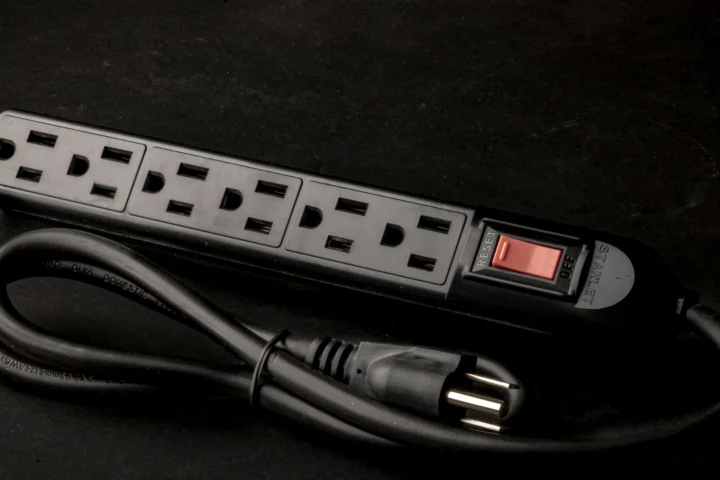
Cruise Approved Power Strips and Cabin Outlets: What Each Line Allows
A cruise approved power strip is one without surge protection, usually with a few outlets and USB ports. Carnival and Princess allow those but ban surge protectors. Royal Caribbean bans all power strips and extension cords, Celebrity bans extension cords and multi-plug adapters, and MSC does not allow your own extension cords. On every line, a USB charging cube that plugs straight into the wall is the safe choice.