Norovirus on Cruise Ships: How Common Outbreaks Are and What Happens If You Get Sick
By the Cruise Talk editors 8 min read Updated October 13, 2026
Good to know
- CDC posts a cruise outbreak when 3% or more of passengers or crew report GI symptoms.
- CDC listed 18 outbreaks in 2024, 23 in 2025 and nine in 2026 through July.
- Cruise ships account for about 1% of reported US norovirus outbreaks.
- Symptoms usually start 12 to 48 hours after exposure and last 1 to 3 days.
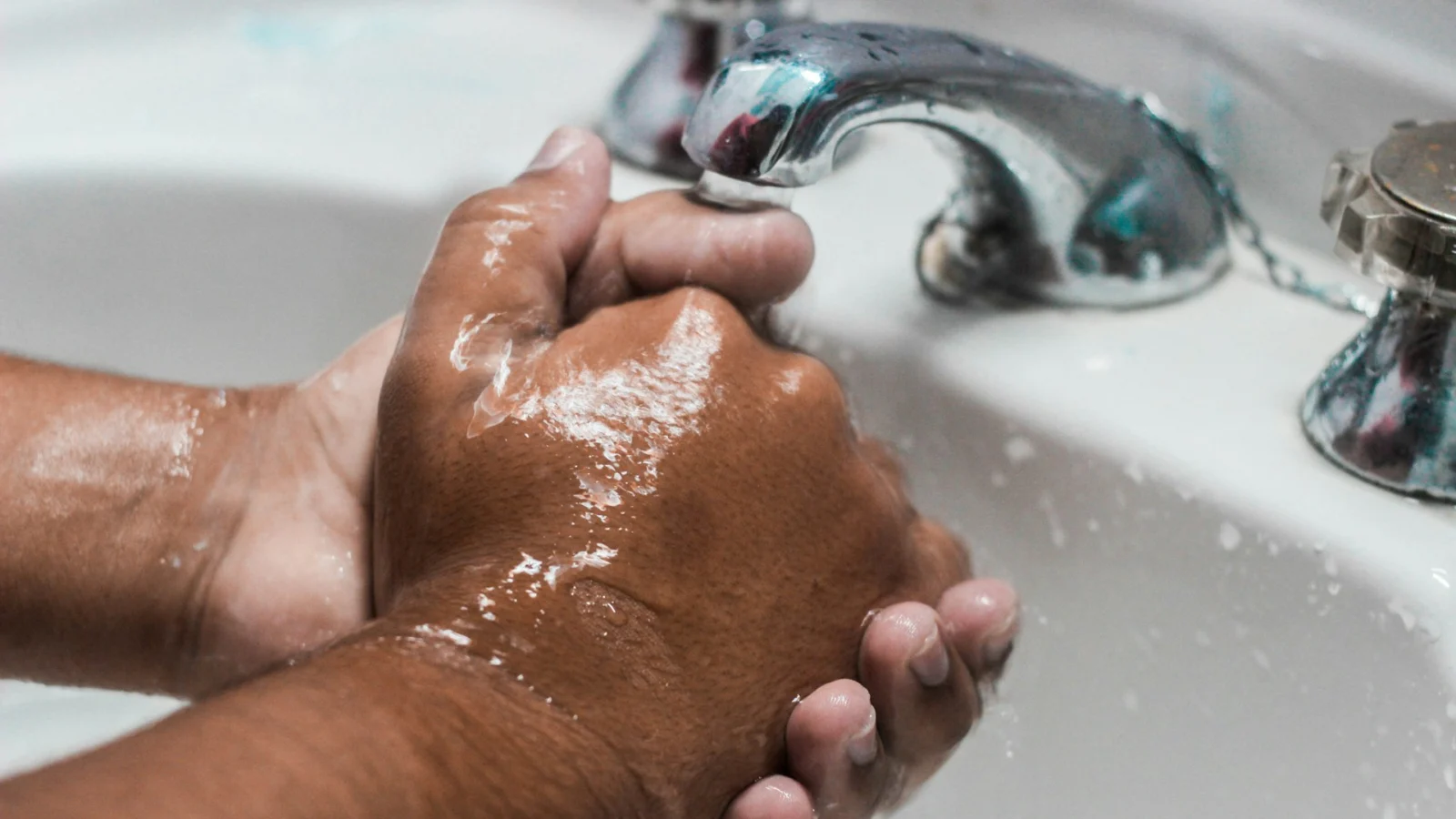
- Hand sanitizer alone does not work well against norovirus; wash with soap and water.
- Onboard medical care is usually billed to you, not included in the fare.
In this answer
- How often outbreaks happen on cruise ships
- What counts as an outbreak: the CDC's 3% rule
- Why norovirus spreads so easily on a ship
- What cruise lines and the CDC do about it
- How to lower your risk on board
- What happens if you get sick on board
- Medical center costs and travel insurance
- Should an outbreak change your plans?
Norovirus outbreaks on cruise ships make the news several times a year, but the chance that your sailing has one is small. The CDC’s Vessel Sanitation Program posted 18 gastrointestinal outbreaks on cruise ships in 2024, 23 in 2025 and nine in 2026 through its last update in July, most of them caused by norovirus. According to the CDC, cruise ships account for only about 1% of reported norovirus outbreaks in the US. Over half happen in long-term care facilities.
If you do get sick on board, expect to be asked to stay in your cabin for a short time, and expect to pay for the medical center visit unless you have travel medical insurance. The risk is real but manageable, and most of what lowers it is ordinary handwashing.
How often outbreaks happen on cruise ships
The CDC publishes every outbreak it posts on its Cruise Ship Outbreak Updates page, with the ship, cruise line, sailing dates, number of passengers and crew who reported illness and the cause. Counting those lists gives this picture:
| Year | Outbreaks posted by CDC | Caused by norovirus | Other causes |
|---|---|---|---|
| 2023 | 14 | 13 | 1 (Salmonella and E. coli) |
| 2024 | 18 | 15 | Salmonella, E. coli, 1 unknown |
| 2025 | 23 | 18 | E. coli, presumed ciguatera, 3 unknown |
| 2026, through July | 9 | 5 | 2 E. coli, 2 unknown |
Each year’s list counts sailings that started that year. The 2026 list was last updated on July 23, 2026, so later outbreaks may not be posted yet. For long-term context, the CDC Yellow Book says an average of 12 norovirus outbreaks a year occurred on ships under CDC oversight from 2006 to 2019. Over that period, about 127 million passengers sailed on those ships.
The 2026 posts show how varied outbreaks are. Large ships such as Star Princess, Caribbean Princess and Ruby Princess each had a norovirus outbreak affecting 3.3% to 4.7% of passengers. One small expedition ship with fewer than 70 passengers was posted four times between May and July, with up to 29% of passengers reporting illness on a single voyage, and paused passenger operations. On a small ship, a handful of sick guests is enough to pass the threshold.
What counts as an outbreak: the CDC’s 3% rule
CDC posts an outbreak on its website when two conditions are met:
- The ship is under Vessel Sanitation Program jurisdiction, meaning it carries 13 or more passengers and sails a foreign itinerary that includes US ports.
- During the voyage, 3% or more of passengers or crew report symptoms of gastrointestinal illness to the ship’s medical staff.
CDC may also post other outbreaks of public health significance. Its case definition is three or more loose stools within 24 hours, or vomiting plus one other symptom such as diarrhea, muscle aches, headache, stomach cramps or fever. The counts are totals for the whole voyage, so 4% ill does not mean 4% of the ship was sick at the same time.
The 3% line is not the start of the response. Ships must log every guest and crew member who reports GI symptoms and send CDC a report 24 to 36 hours before arriving at a US port from a foreign one. When cases reach 2%, the program starts supporting the ship. At 3%, CDC treats it as an outbreak and may send staff to board and investigate.
This reporting system is one reason cruise outbreaks are so visible. A hotel, school or nursing home with a similar outbreak has no comparable public list.
Why norovirus spreads so easily on a ship
Norovirus is highly contagious and tough. According to the CDC, it causes over 90% of diarrheal disease outbreaks on cruise ships. The main facts from CDC’s norovirus pages:
- Incubation: symptoms usually start 12 to 48 hours after exposure, so someone can board healthy and fall ill on day two.
- Symptoms: mainly diarrhea, vomiting, nausea and stomach pain, sometimes fever, headache and body aches.
- Duration: most people recover within 1 to 3 days.
- Contagious period: people are most contagious while they have symptoms, especially vomiting, and can still spread the virus for two weeks or more after they feel better.
- Spread: through contaminated food, water and surfaces, and through close contact with someone who is sick.
A ship packs thousands of people into shared dining rooms, elevators, handrails and buffet lines, and new guests board on the same day the last ones leave. That is why lines clean so aggressively, and why outbreaks sometimes continue over consecutive sailings on the same ship.
What cruise lines and the CDC do about it
Ships under the Vessel Sanitation Program get two unannounced CDC inspections a year, usually lasting 6 to 8 hours, covering food handling, water, pools, hygiene and pest control. A ship fails if it scores 85 or below out of 100. Every ship’s latest score is public in CDC’s inspection search tool and its “green sheet” report, so you can look up your ship before you sail.
When an outbreak is posted, CDC lists what the line did about it. The actions reported for the Caribbean Princess outbreak in spring 2026 are typical: increased cleaning and disinfection under the ship’s outbreak prevention and response plan, stool samples collected for testing, ill passengers and crew isolated, and consultation with CDC on cleaning and reporting. For surfaces contaminated by norovirus, CDC recommends a chlorine bleach solution of 1,000 to 5,000 ppm, left on for at least 5 minutes. In the most serious case of 2026, a small expedition ship paused passenger operations.
How to lower your risk on board
The CDC’s norovirus prevention advice applies at sea as on land. The steps that matter most:
- Wash with soap and water. Do it before every meal, after the toilet and after returning from port. CDC says hand sanitizer alone does not work well against norovirus and is not a substitute for handwashing. Use the sanitizer stations at the buffet as an extra step, not instead.
- Use your cabin bathroom when you can. It has a sink and soap, and you control who touches it.
- Be careful at the buffet. Use the serving utensils, not your fingers, and wash before going in rather than after.
- Report symptoms early. If you or someone in your group starts vomiting or has diarrhea, call the medical center before walking around the ship. Staying in public spaces while sick is how outbreaks grow.
- Do not board sick. If you have vomiting or diarrhea on embarkation day, tell the line before boarding rather than hoping it passes. You would be contagious from the first day of the cruise.
- Look up your ship’s score. A high recent CDC score does not guarantee anything, but a failed inspection is worth knowing about.
Pack a small kit with any medicines your doctor recommends, a thermometer and oral rehydration salts if you use them. The cruise packing list has a health section, and the CDC’s general travel health kit list is a good starting point. Ask your doctor before travel if you have a condition that makes dehydration risky.
What happens if you get sick on board
Call the ship’s medical center rather than going to it in person if you have vomiting or diarrhea. The staff will usually assess you by phone or in your cabin, may offer medicine and will ask you, and sometimes your cabin mates, to stay in the cabin for a period. CDC’s standards require passengers and crew with certain symptoms to isolate for a short time.
Isolation is mostly an inconvenience. Royal Caribbean’s health FAQ says guests isolating for an infectious disease get complimentary room service, in-cabin movies and offshore calls. Other lines set their own terms, so ask the medical center what applies. You will likely miss at least one port or a day of activities. If you have booked an excursion through the ship, ask Guest Services about a refund; for independent tours, the operator’s terms apply, which the guide to ship vs independent excursions covers.
Norovirus is not the only illness on ships. The CDC Yellow Book says respiratory illnesses are the most common reason for medical center visits, at 30% to 40%, followed by slips, trips and falls at 12% to 18%, with GI illness and seasickness each around 10%. If you are prone to seasickness, the seasickness guide covers what helps.
Medical center costs and travel insurance
Cruise ship medical centers can handle a lot: the CDC compares them to ambulatory care centers and says about 95% of illnesses and injuries are treated or managed on board. They are not free. The Yellow Book notes that onboard medical care, including the exam, tests and medicines, is typically not included in the cruise fare. You pay for the doctor’s visit and medicine yourself, and the charges can add up quickly if you need tests or several visits.
Your US health plan may not help much:
- Royal Caribbean says it does not accept land-based health insurance on board, though you may be able to submit a claim to your insurer afterward. Keep the itemized bill.
- Medicare Part B may pay for care on a cruise ship only when the ship is in a US port or no more than six hours from one. Beyond that, Medicare generally does not cover it.
- Serious cases may need treatment ashore in a foreign hospital, or medical evacuation, which can be very expensive.
For these reasons, the CDC suggests travelers consider insurance that covers medical evacuation and care received on cruise ships and abroad. The article on cruise travel insurance explains what policies cover and what to check. If you fall ill shortly before the cruise, the same policy decides whether you get your money back for cancelling.
Should an outbreak change your plans?
Usually not. If your ship had an outbreak on the previous sailing, the line will have done extra cleaning, and CDC may have been on board. You can ask the line what measures are in place, check the CDC list for the latest update and be extra careful with handwashing for the first few days. If you decide to cancel anyway, the line’s normal cancellation terms apply.
For first-time cruisers, the bigger lesson is to keep illness in proportion. The main defense is still the simplest one: wash your hands with soap and water before you eat, every time, and stay in your cabin and call the medical center if you start feeling sick. More practical advice for a first sailing is in the first cruise tips.
People also ask
How common is norovirus on cruise ships?
Less common than headlines suggest. The CDC's Vessel Sanitation Program posted 18 gastrointestinal outbreaks on cruise ships in 2024 and 23 in 2025, most caused by norovirus. CDC also says cruise ships account for only about 1% of reported norovirus outbreaks in the US. Outbreaks get attention because cruise ships must report illness and CDC publishes the results.
What happens if you get norovirus on a cruise?
Report your symptoms to the ship's medical center by phone. You will usually be asked to stay in your cabin for a short period until you are no longer considered contagious, as CDC's standards require for certain symptoms. Royal Caribbean, for example, says isolated guests get complimentary room service and in-cabin movies. The medical visit and any medicine are not included in the fare, so expect to pay for them.
Is there a norovirus outbreak on a cruise ship right now?
Check the CDC's Cruise Ship Outbreak Updates page, which lists every posted outbreak on ships under its Vessel Sanitation Program, with the ship, dates, percentage of passengers and crew ill and the cause. As of CDC's last update in July 2026, it listed nine outbreaks for 2026. Smaller clusters that stay below the 3% threshold are not posted.
Does hand sanitizer kill norovirus?
Not reliably. The CDC says hand sanitizer alone does not work well against norovirus and is not a substitute for washing hands with soap and water. Use soap and water before eating and after using the toilet, and use sanitizer as an extra step when no sink is nearby, such as at the entrance to the buffet.
Does travel insurance cover getting sick on a cruise?
A travel medical policy usually covers onboard medical center bills, care ashore and medical evacuation, subject to its terms. Without it, you pay. Royal Caribbean says it does not accept land-based health insurance on board, and Medicare generally only pays for care on a ship that is in a US port or within six hours of one. Read the policy's wording on illness before buying.
Keep reading
More straight answers

Your First Cruise
What to Wear on a Cruise: Dress Codes, Formal Nights and Jeans
On a mainstream cruise, wear casual resort clothes by day and smart casual in the evening, such as slacks or nice jeans with a collared shirt, or a sundress. Most seven-night cruises add one or two optional dressier nights where passengers wear cocktail dresses and suits, though smart casual is still accepted in the main dining room. Swimwear, tank tops and bare feet are not allowed in dining rooms at dinner.
Your First Cruise
Cruise Seasickness: Will You Get Sick, and What Actually Helps
Most passengers on a big modern cruise ship feel little or no motion on a normal itinerary, but the CDC says seasickness still affects up to 25 percent of cruise travelers despite stabilizers. Your odds drop with a midship cabin on a lower deck and a sheltered route such as the Caribbean outside hurricane season or Alaska's Inside Passage. Meclizine and prescription scopolamine patches work best when taken before symptoms start.
Your First Cruise
First Cruise Tips: What Nobody Tells First-Timers
The most useful first cruise tips are about timing. Fly in the day before, because the ship sails without late passengers. Pack medication, documents and swimwear in a carry-on, since checked bags can arrive after sailaway. Check the daily program for all-aboard times and clock changes, watch your onboard account as you go, and do not book a flight home before about noon.